Detectorism
What if we paid closer attention to what is already happening around us?
For over a decade, we’ve been exploring how learning happens in complex, changing environments. Along the way, we began to notice something: that paying attention changes what becomes possible.
Where detectorism began
Detectorism started as a made-up word in a café on Dudley High Street. It was a playful way of describing something we were already doing; noticing, wondering, sharing what we were seeing.
We’ve been evolving it ever since. Through journals and maps, badges and scrapbooks, lanyards, portraits of place, and many small experiments in how we learn together. But the most important thing?
Everyone has detectorism superpowers.
You don’t need training. Just curiosity.
What detectorism is
Detectorism is a practice of noticing with care.
A practice of zooming in, and zooming out.
Paying attention to patterns, connections, and small shifts.
Sharing what you notice, and weaving it together with what others are seeing too.
When we bring these observations together, new questions begin to emerge:
What if…?
These questions often open up new ways of imagining what could be, and what might be possible here. They can become the starting point for new experiments, conversations, and ways of working.
Learning, imagining and acting together
Detectorism is grounded in a simple understanding: that learning, imagination, and action are not separate, rather they are entangled.
→ What we notice shapes what we imagine.
→ What we imagine shapes what we try.
→ What we try shapes what we learn.
And so the cycle continues.
A way of being, not just a method
Detectorism is not a formal research method. It is a way of being curious in the world. A way of noticing more carefully, learning together and letting that learning shape what we do next. It helps us to:
- connect ideas, people, and places
- see patterns across different kinds of knowledge
- and stay open to what is emerging
It is a feedback loop, and also much more than that.
How we practice detectorism
Detectorism can take many forms, but some core threads run through it:
- We notice with care.
- We gather observations together, with consent and shared purpose.
- We reflect, often using creative methods.
- We look for patterns across different perspectives, times, and places.
- We connect what we’re learning to ongoing experiments and actions.
- We share learning openly, so others can build on it.
The learning generated collectively through detectorism is not held rigidly. It grows and evolves.
Detectorism in the wild
Over time, detectorism has grown beyond our team and projects. It has been rewilded. Now it shows up in many different forms, including:
- Creative detectorism. Shaped by creatives in our network, this involves noticing through poetry and creative expression.
- Place detectorism. Evolved through Stories of Place, this involves grounding attention in place, often alongside other living beings.
- Time detectorism. Also evolved through Stories of Place, this involves exploring our relationship with time in new ways.
Like a living practice, detectorism continues to evolve, shaped by the people and places it moves through.
Visiting Detectorists
Detectorism is one of the ways we cultivate dialogue and kinship across fertile edges, places where our ways of working can come into generative relationship with the work of people in all kinds of other contexts.
We have a long practice of inviting people who work in public sector institutions or who are based in other places to be visiting detectorists.
We gift them detectorist scrapbooks with thoughtfully crafted prompts to weave detectorism into what they are working on and curious about.
“I loved the detectorism scapbook you made for me, it was beautiful. I felt cared for. It’s not an overstatement to say I’m blown away with how much more participatory detectorism is to other community research approaches. Detectorism is really quite radical. Community research is supposed to be radical, but detectorism is a step further.”
- Siobhan Sadlier, Engagement Executive, West Midlands Combined Authority.
↗ detectorism - this collection of stories and lab notes share the evolution of detectorism and ways that we are paying closer attention through bioregioning practices.
You might already be practising detectorism, without calling it that. Or you might be just beginning to notice more closely.
Either way… you’re welcome to take part.
You could begin with this question:
What are you noticing right now?
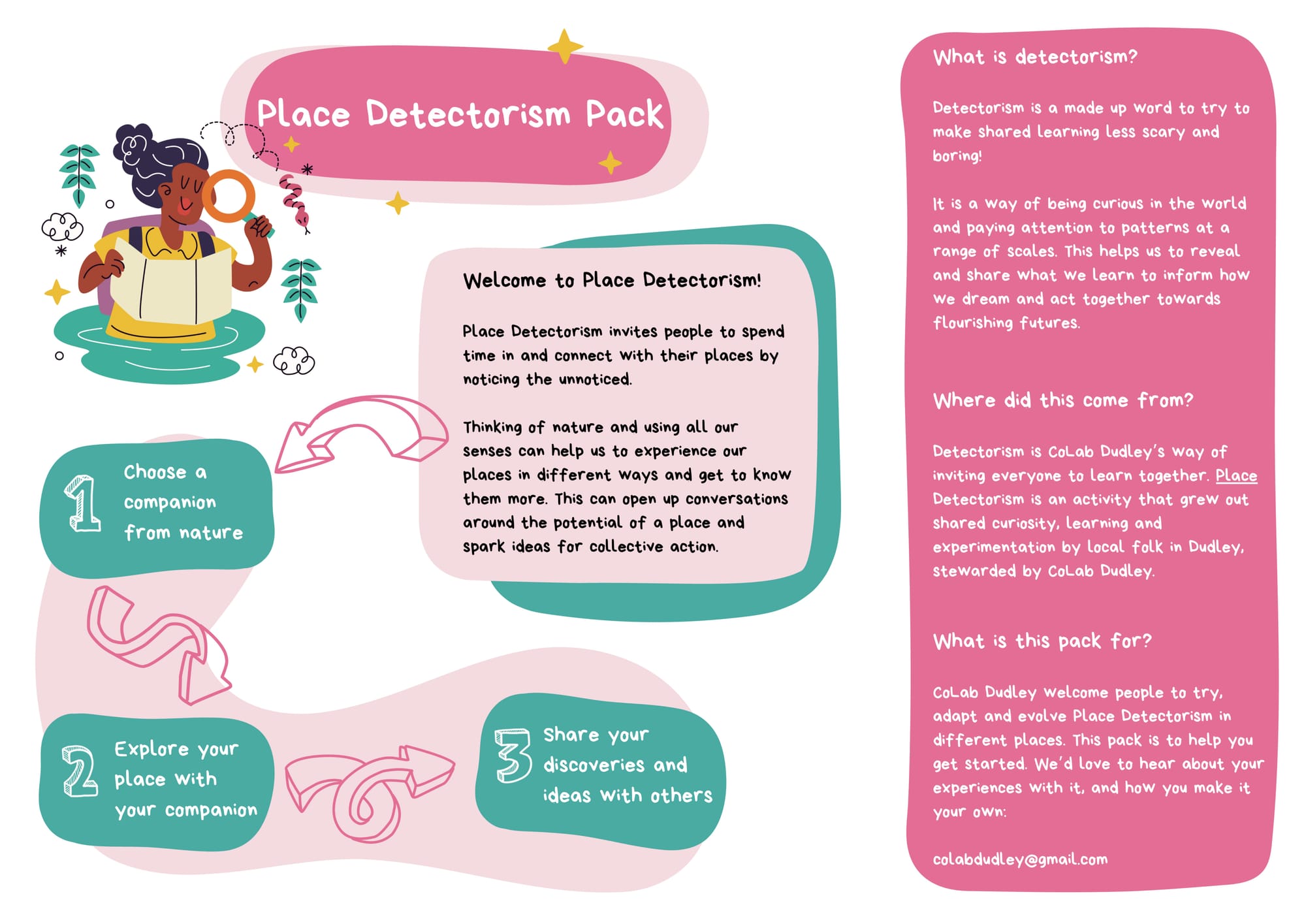
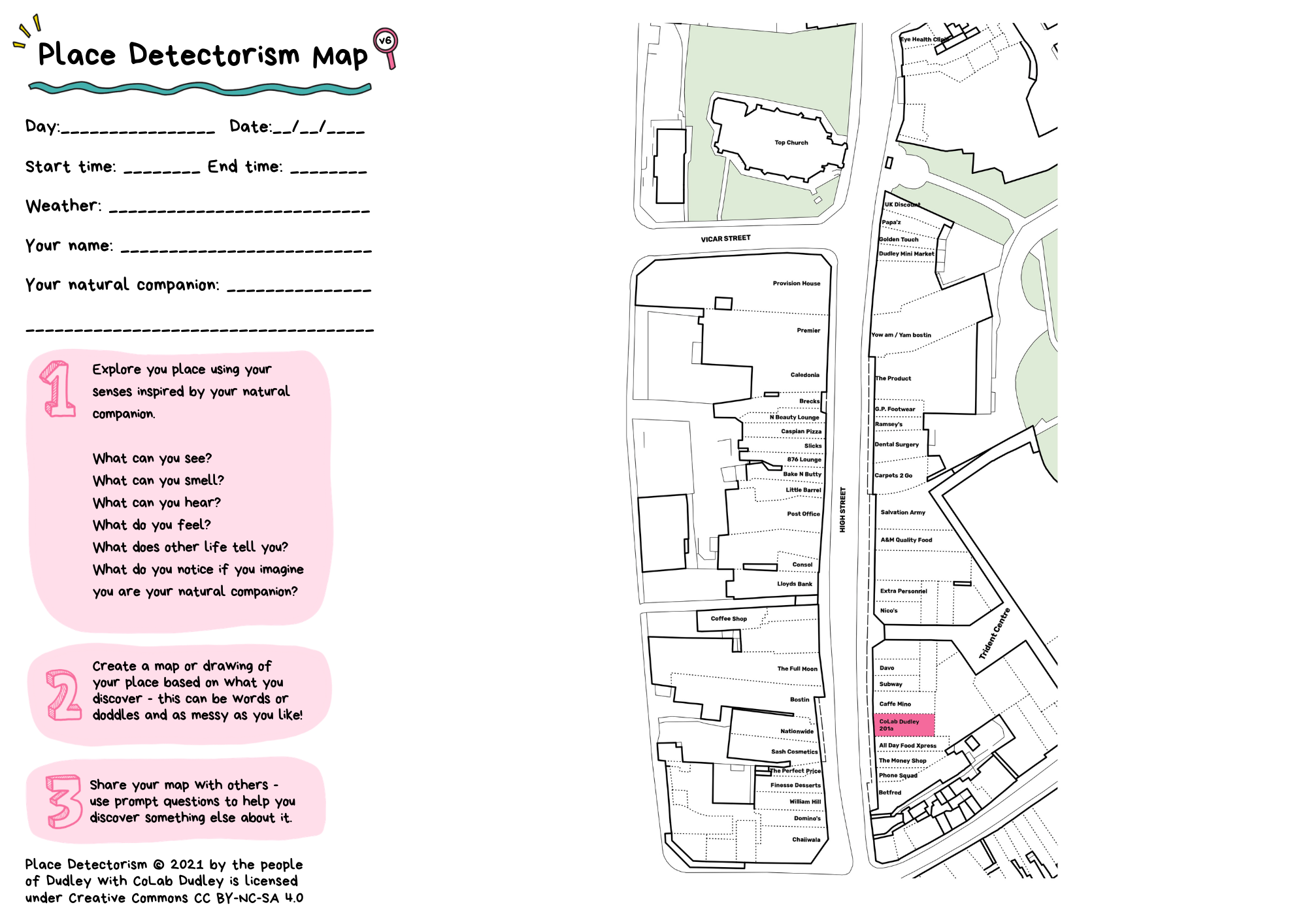
CoLab Dudley team member Holly has made a shareable Place Detectorism Pack with resources developed through Stories of Place activities.
Some glimpses of detectorism in practice...
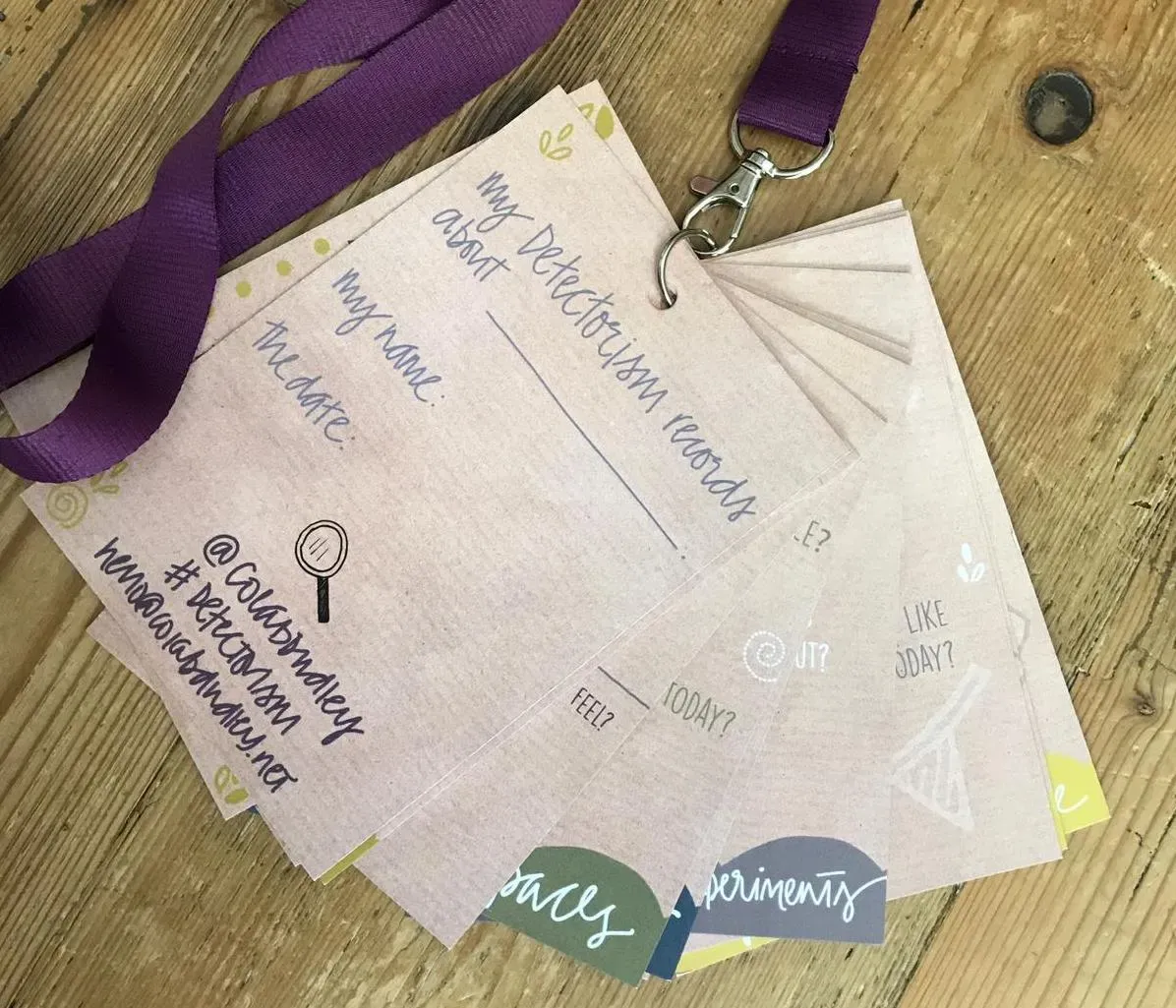
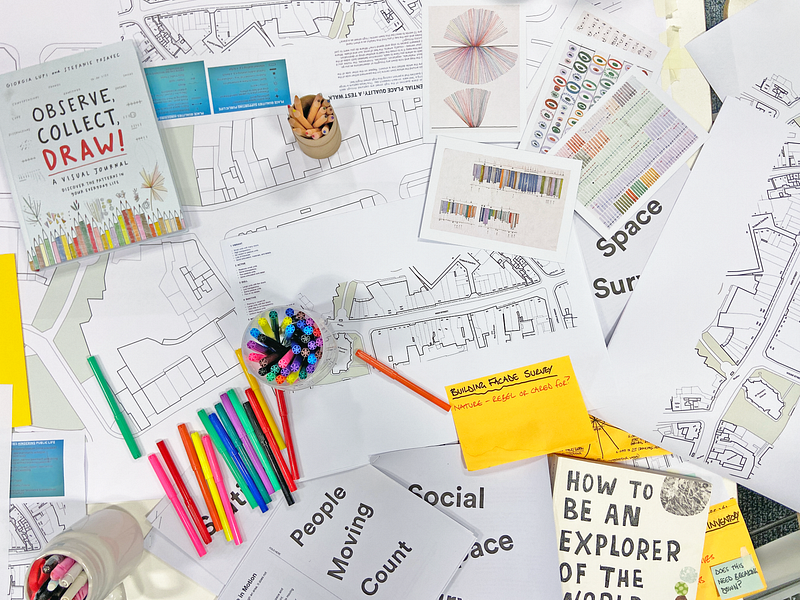
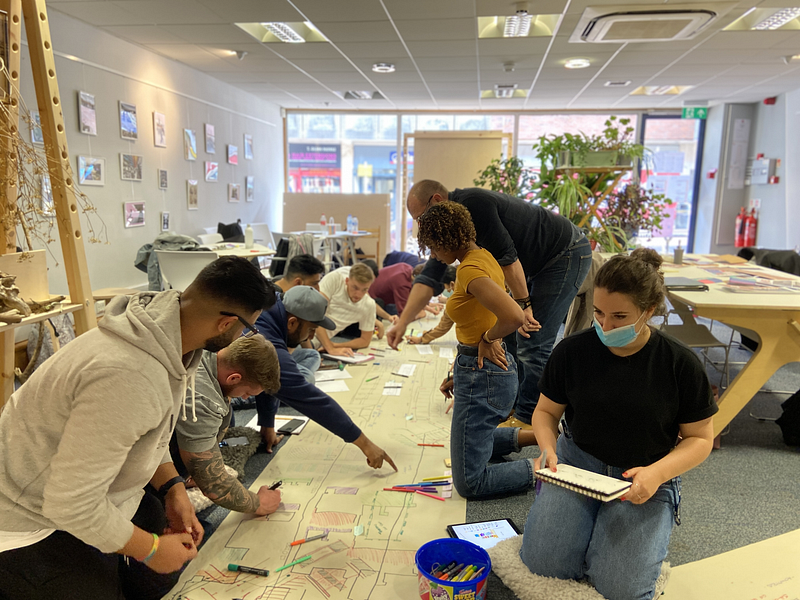
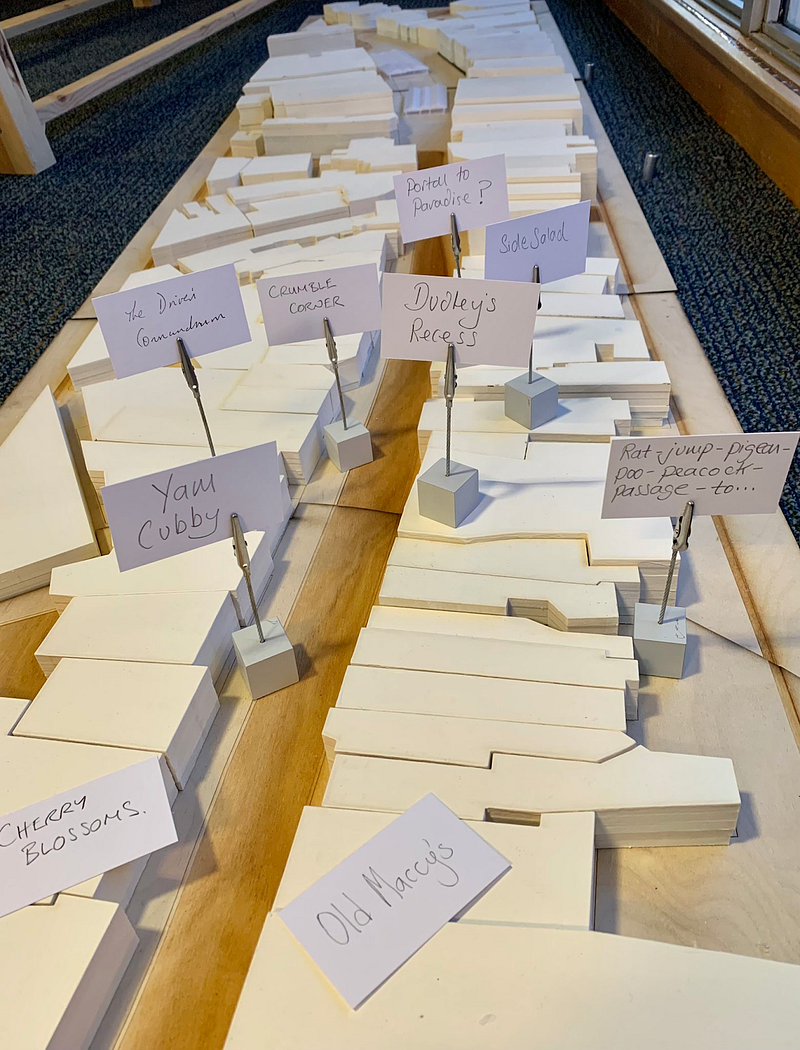
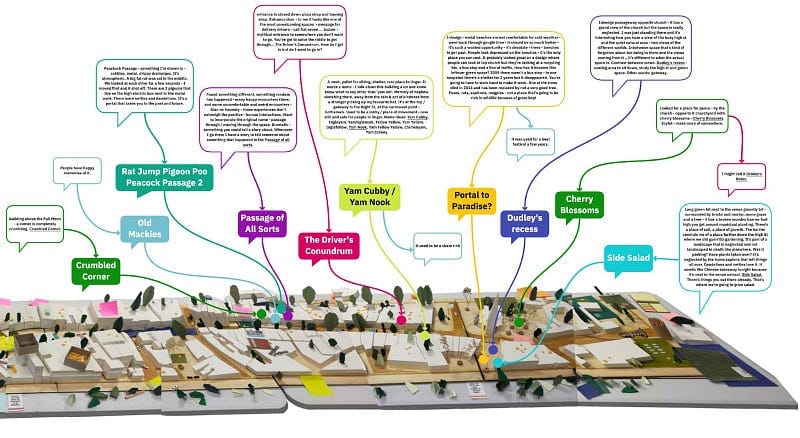
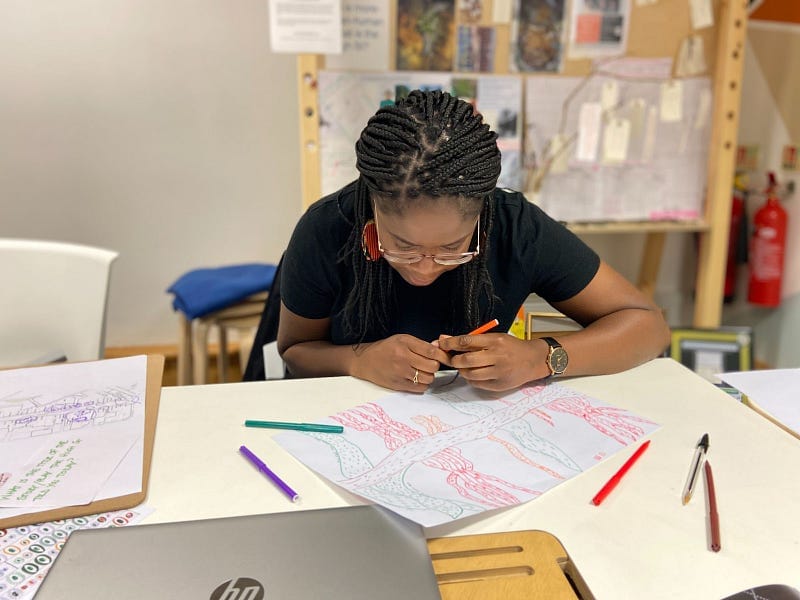
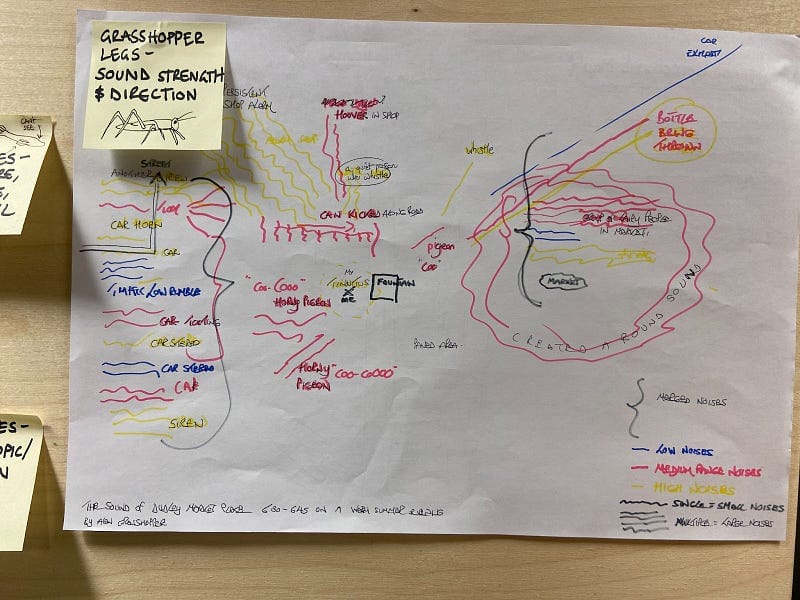
“I was at WeCanMake last week in Bristol with the Retrofit group and National Retrofit Hub had borrowed your detectorist prompt for us to explore the area which was a lovely reminder of Dudley and of the value of sharing your work so generously in this way.”
- Raechel Kelly, Planet Cheltenham, autumn 2025
This website page was developed through collaborative writing involving the CoLab Dudley team and AI-supported dialogue.
↗ Read more about our approach to AI and digital sobriety here.