
Principles
What if the future we want begins with care, connection, imagination, and learning?
The way we work matters. Not just what we do, but how we do it. How we relate, how we make decisions, and what we choose to pay attention to.
Our principles guide our work. We haven't created them as rules to follow or boxes to tick. They support our intentions to stay in relationship; with each other, with the places we are part of, and with the futures we are helping to shape. They are part of how we practice a more relational form of governance.
Our principles have grown through practice, experimenting, learning, and reflecting together. We have been paying attention and noticing what supports flourishing, and what doesn’t. We ask ourselves difficult questions about the systems and stories we are part of.
Our principles come to life through our practices of network weaving, collective imagination and detectorism. We turn to them often to ground ourselves and to notice what is shifting, what signals of change are present.
Each principle invites a different kind of attention:
- how we care for future generations of all life
- how we build and nurture relationships
- how we imagine new possibilities together
- how we learn with and from place.
You are invited to explore them here.
What if the future we want begins with how we care today?
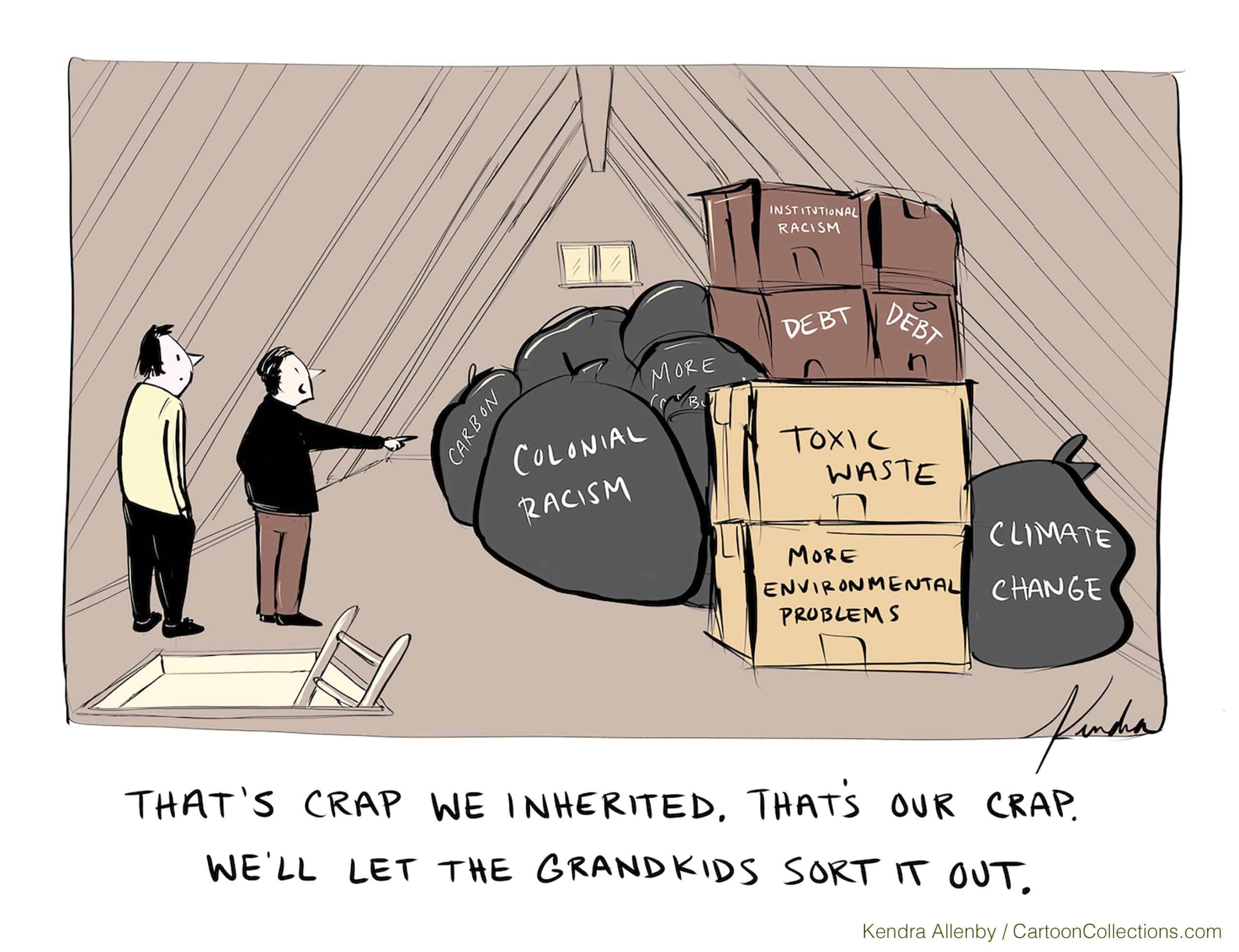
We are part of a long story. The ways we live, organise, and relate don’t just shape our present - they ripple forward, affecting future generations of all life.
What our principle of care invites
This principle invites us to act with care for what comes next. To look honestly at the systems and stories we have inherited, and to question how they shape the way we see, think, and behave. Some of these ways of being are rooted in separation, between people, and between humans and the rest of life.We are learning to notice this, and to respond differently.
How this care for future generations shows up in our work
We create spaces that:
- welcome diverse people and perspectives
- invite imagination towards flourishing futures in our bioregion
- open up collective learning journeys and shared questions
- encourage reflection on the systems and assumptions shaping our lives.
What we pay attention to
We notice when:
- people begin to imagine different futures
- people question dominant ways of thinking and organising
- people experiment with living differently, here and now
This is not about perfection, or change happening all at once. We’re paying attention to change which happens in small, meaningful ways, often through experimentation and learning.
What are ways that you are being a good ancestor in the places you live, work, learn or play?
If you’re interested in this you might enjoy exploring ideas that Roman Krznaric has drawn together about The Good Ancestor and learning about the Seven Generations Principle of the Haudenosaunee Confederacy.
What if the futures we need begin with what we dare to imagine together?
Many of the ways we live today were once imagined into being. But imagination is not evenly distributed. Some ways of imagining are encouraged, while others are dismissed, limited, or made to feel unrealistic.
What this principle of collective imagination invites
Often, imagination is shaped by the same systems we are trying to move beyond. This principle invites us to notice this, and to gently, collectively, stretch what we think is possible. Not just in our heads, but lived in relationship with the places we are part of. Imagination changes when it is grounded. When it is shaped by the realities of a place; its histories, its communities, its ecosystems. It becomes something we can begin to live into.
How collective imagination shows up in our work
We create experiences that:
- invite people to imagine flourishing futures for this place
- open up shared “What if…?” questions
- make space for reflection, creativity, and conversation
- welcome different ways of seeing, sensing, and knowing.
What we pay attention to
We notice when:
- people begin to question what they previously assumed was fixed
- new possibilities are spoken, sketched, or shared
- imagination moves from ideas into small, lived experiments
- people begin to act as if the future they imagine is already unfolding.
This isn’t about fully formed ideas or everyone agreeing. It is about imagining ideas that are alive enough to explore.
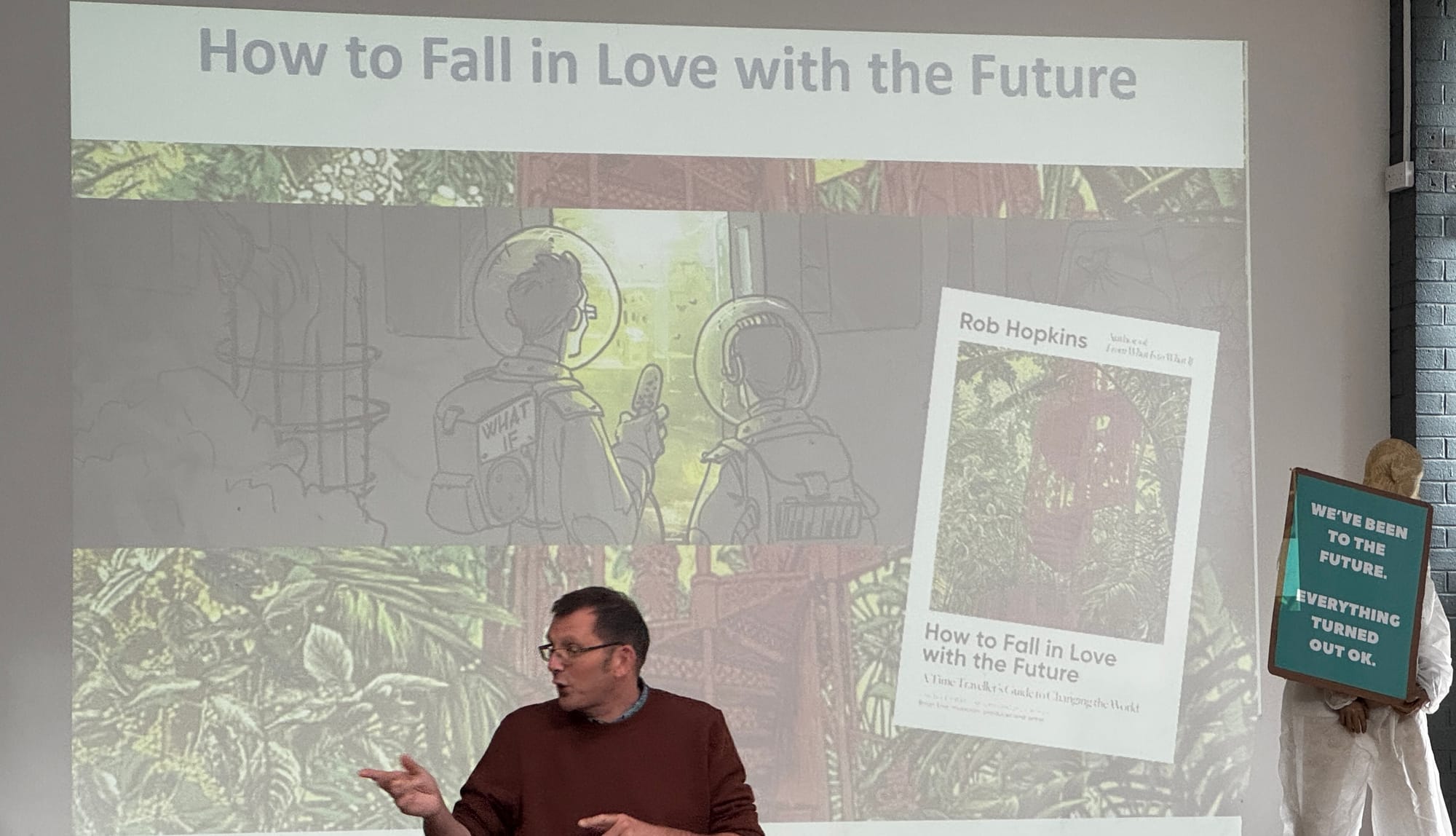
Inspiration from our field
We’ve learned a lot about imagination from Rob Hopkins and are chuffed to be featured in his latest book, How to Fall in Love with the Future.
What if change doesn’t happen through isolated efforts, but through relationships that grow and deepen over time?
We don’t see our work as separate projects, or as something held by a single organisation. It’s not scattered fragments or a central hub. We see it as a living network.
What this principle of connection invites
A network of relationships - between people, places, more-than-human beings, and the ways we live and learn together - connected through shared care and a growing sense of co-responsibility in a bioregion. Working in a networked way means less focus on control, outputs, and fixed plans. Less emphasis on hierarchy and separation. Instead, bringing more attention to trust, invitation, and what becomes possible when different people, beings, and ideas meet.
It is also a different way of holding governance. Not through fixed structures or a central hub, but through relationships, shared responsibility, and ongoing attention. We pay attention to the spaces in between. The spaces where connections form, where differences meet, where something unexpected might begin.
How this focus on connection shows up in our work
- We bring people, ideas, and practices into connection.
- We create spaces where relationships can grow over time.
- We seek out “fertile edges” - the places where different worlds meet.
- We support collaboration across communities, disciplines, and ways of knowing.
What we pay attention to
We notice when:
- relationships deepen and continue beyond single moments
- people begin to act with a shared sense of care for this place
- networks become more open, diverse, and generous
- new connections emerge across boundaries (between people, places, and more-than-human life).
We’re not building a system to control, we’re tending a living network. This is governance as a living practice, shaped by how we connect, listen, and respond over time.
You might already be part of a network like this. Or just becoming aware that they are emerging. You're welcome to join us.
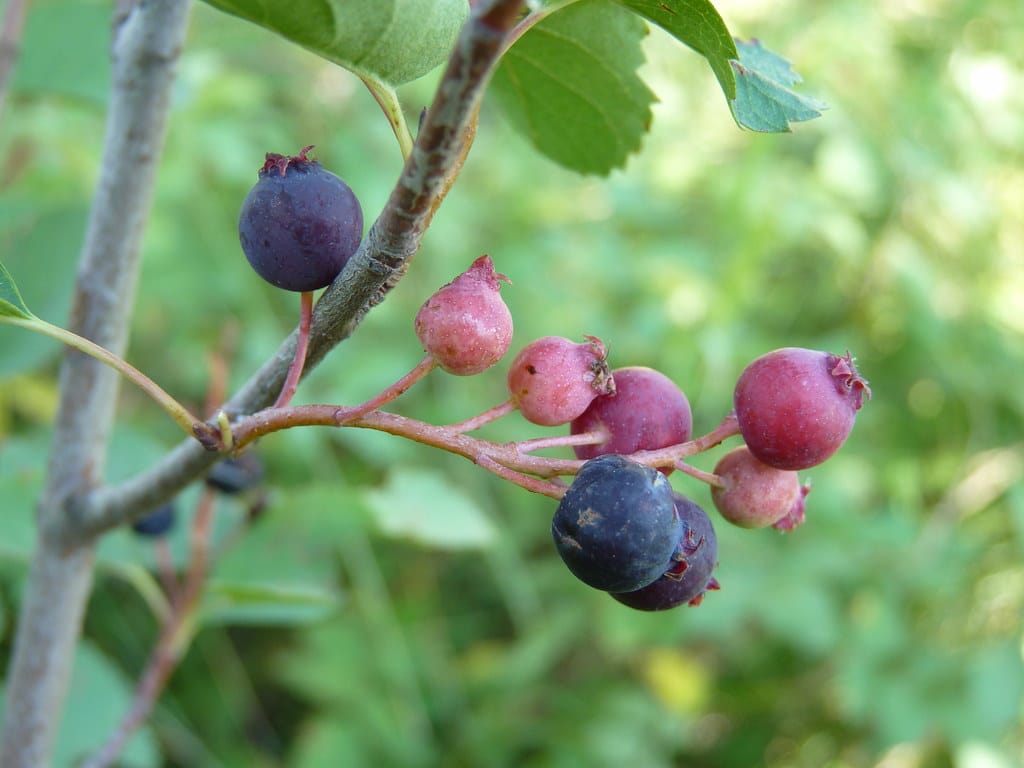
How can we learn from Indigenous wisdom and ecological systems to reimagine currencies of exchange?
We learn from the writing of Robin Wall Kimmerer. In an essay published by Emergence Magazine, called The Serviceberry, she considers the ethic of reciprocity that lies at the heart of the gift economy. Wisdom like this informs our network approach.
What if the knowledge we need is already here - held in this place, in its people, and in the more-than-human world, waiting to be remembered, shared, and lived?
There are many ways of knowing. Some are recognised and valued. Others have been ignored, erased, or extracted from the places they belong.
What this principle of learning invites
This principle invites us to work differently with knowledge. To honour and care for the knowledges rooted in this place - held in communities, in lived experience, and in the land itself. To share them, rather than restrict them. To let them evolve, rather than fix them. To learn with them, rather than take from them.
This includes what we might call kith knowledges - the understandings and practices that emerge through relationships with human and more-than-human kin. Through collective learning, these knowledges can help us re-story and repair our relationship with land.
How collective learning shows up in our work
We weave together knowledges, practices, and relationships.
Knowledges
- We care for and share place-rooted knowledge of Earth processes and relationships.
- We create ways for knowledge to be held collectively, for example through weaving, archiving, and commoning.
- We support practices of noticing differently, together.
Practices
- We cultivate ways of living and learning that deepen relationships with place.
- We support practices that reconnect people with more-than-human kin.
- We explore what it means to re-inhabit the places we are part of.
Relationships
- We make visible the connections and flows between personal, local, bioregional, and global systems.
- We support ways of relating that recognise interdependence across these scales.
What we pay attention to
We notice when:
- knowledge is shared openly and used to support ongoing action
- people begin to learn from and with place, not just about it
- practices and knowledges are held in common and continue to grow
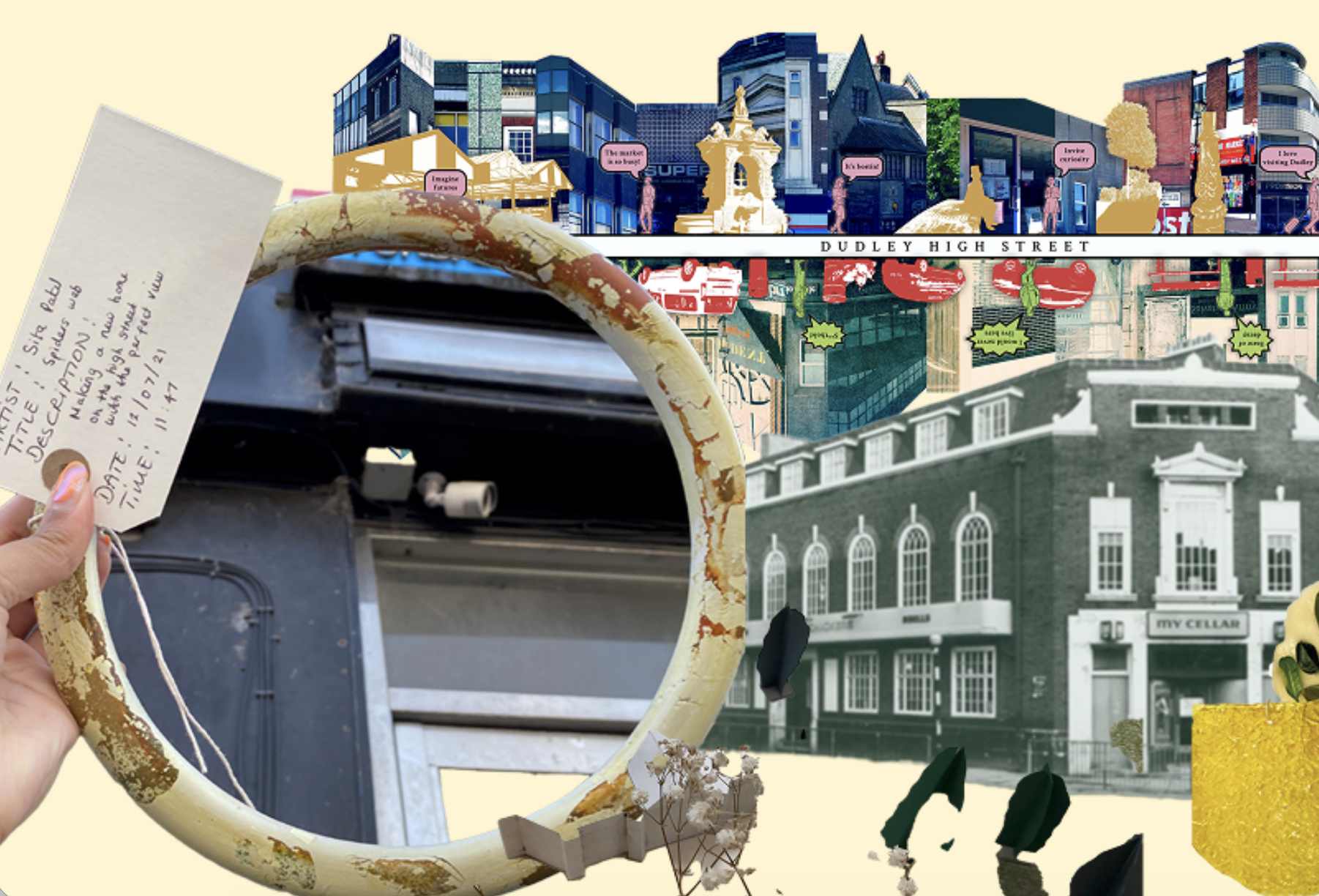
- new ways of mapping, storytelling, and understanding Dudley and our wider bioregion emerge.
This knowledge is not owned or static. It is knowledge that is living, shared, and evolving.
An invitation
You can explore and add to a digital knowledge commons that we catalysed and have co-created called Dudley Time Portal.
Serviceberry photo credit: Oregon State University on Flickr
This website page was developed through collaborative writing involving the CoLab Dudley team and AI-supported dialogue. The original source of the content on this page about our principles was our principle descriptions, counter principles, adherence and ripple questions written by CoLab Dudley team members, in particular Jo Orchard-Webb.
↗ Read more about our approach to AI and digital sobriety here.