Network weaving
What if change grows through relationships - tended over time, in place, with care?
Much of our work happens in relationship. Between people, between communities, between ideas, and with the more-than-human world. But these relationships don’t organise themselves, they need tending.
What we mean by network weaving
We think of networks not as fixed diagrams or structures, but as living systems made up of relationships that are:
- forming
- shifting
- deepening
- sometimes fading.
Sometimes we create maps or diagrams, as a way of noticing what is there, and what might be missing. But these are only ever snapshots. The network itself is something lived - in relationships, interactions, and shared practice.
Rather than a structure, we understand networks as a form of governance. This isn't governance based on hierarchy or control, but on relationships, trust, and shared responsibility. It is a kind of living governance, held through ongoing practices and processes of connecting, listening, and responding. This kind of governance is not always visible, but it shapes how decisions are made, how relationships are held, and how change happens.
Network weaving is the practice of paying attention to these relationships and gently supporting them to grow. Not by directing or managing, instead by noticing, connecting, and inviting.
What wants to grow here? Who might need to meet?
A different way of organising
A network approach is different from more familiar ways of working. It isn't about isolated projects, fixed roles and central control. It is about:
- connections that emerge over time
- shared responsibility
- collaboration across boundaries.
These might be human and more-than-human. Formal and informal. Expected and unexpected.
What network weavers do
Network weaving can take many forms. Sometimes it looks like:
- introducing people who might not otherwise meet
- creating spaces where relationships can form
- noticing where connections are missing
- supporting collaboration across differences.
Sometimes it is quieter:
- listening - a conversation over a cuppa
- checking in - a phone call or text chat
- holding relationships over time.
Often, it is about working at the edges, where different worlds meet.
How this connects to our wider practice
Network weaving doesn’t stand alone. It is part of how we:
- notice what is happening (through practices like detectorism)
- imagine what could be possible (see collective imagination)
- and act in ways guided by our principles
Together, these practices help relationships grow - and with them, the possibilities for change.
What we pay attention to in our network
We have Network Guardian roles in CoLab Dudley’s team. Their role is to notice when:
- new connections begin to form
- relationships deepen over time
- people start to act with a shared sense of care for this place
- ideas, practices, and support begin to flow more freely.
These changes are often subtle, but they matter. Because strong, connected networks create the conditions for new ways of living and working to emerge.
An ongoing practice
Network weaving is not a fixed role. It is something many people take part in, in different ways, at different times. You might already be doing it.
- By connecting people.
- By noticing where relationships could grow.
- By helping something take shape between others.
You don’t need a title to be a network weaver.
Just a willingness to notice, connect, and care.
↗ network weaving - a collection of reflections on being network guardians and networks weavers as CoLab Dudley has evolved.
An Imagination Training day in Dudley in April 2026 saw us weaving people together from across our Bioregional Learning Network with neighbours who are in CIVIC SQUARE's network, people who lead local voluntary and community groups. Our invitation rippled through these networks and beyond them, bringing a diversity of experiences and interests into the day.
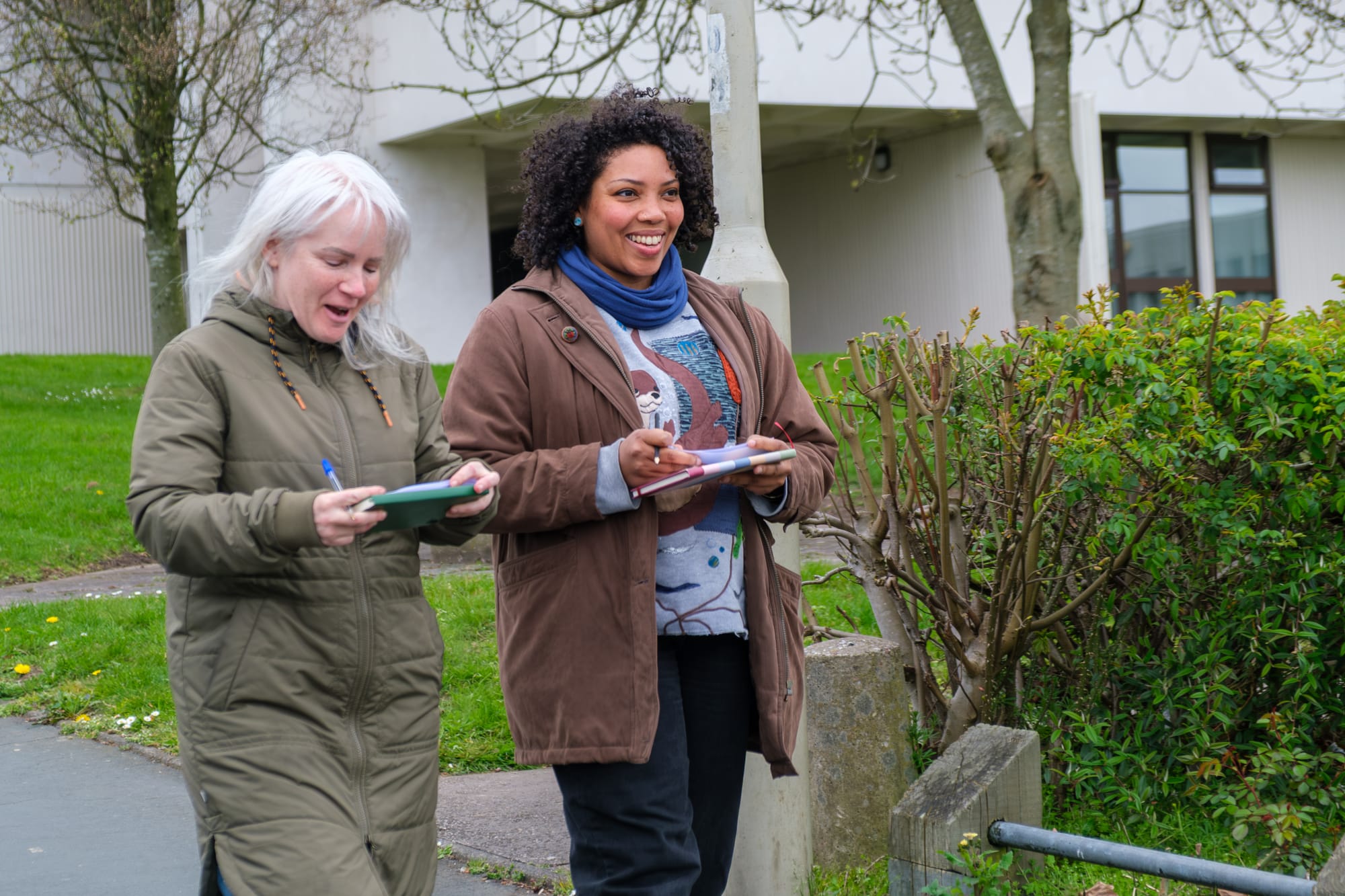
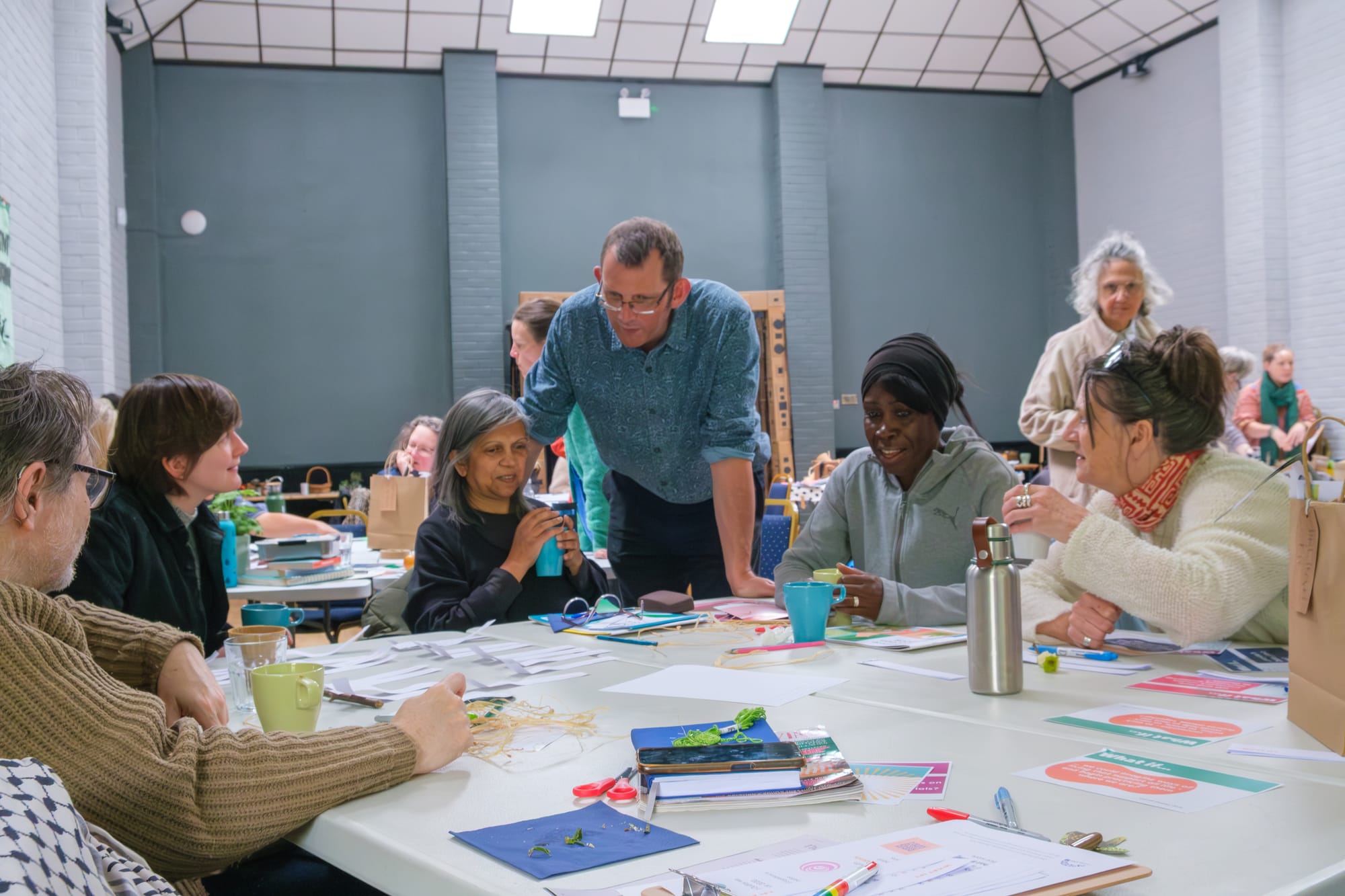
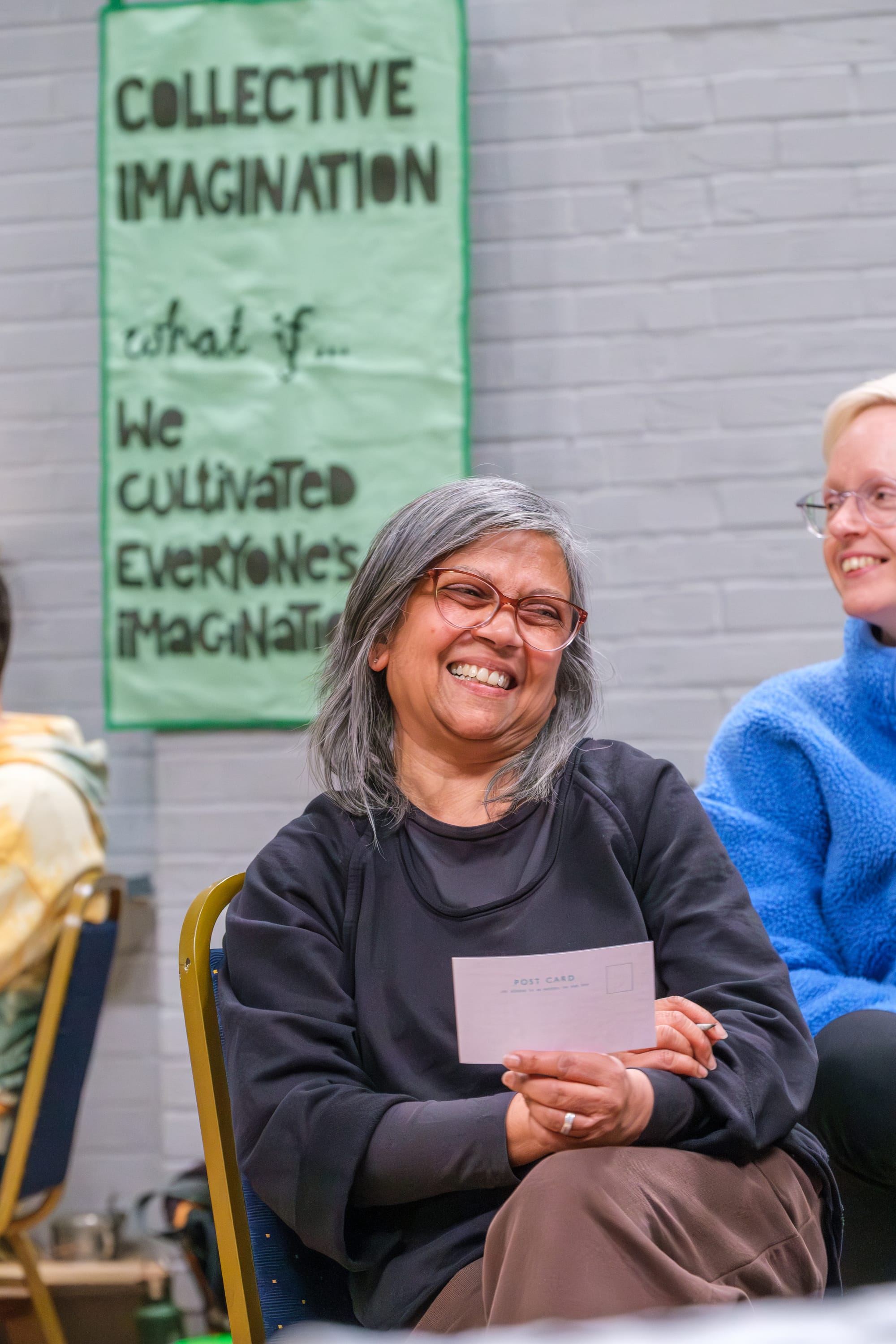
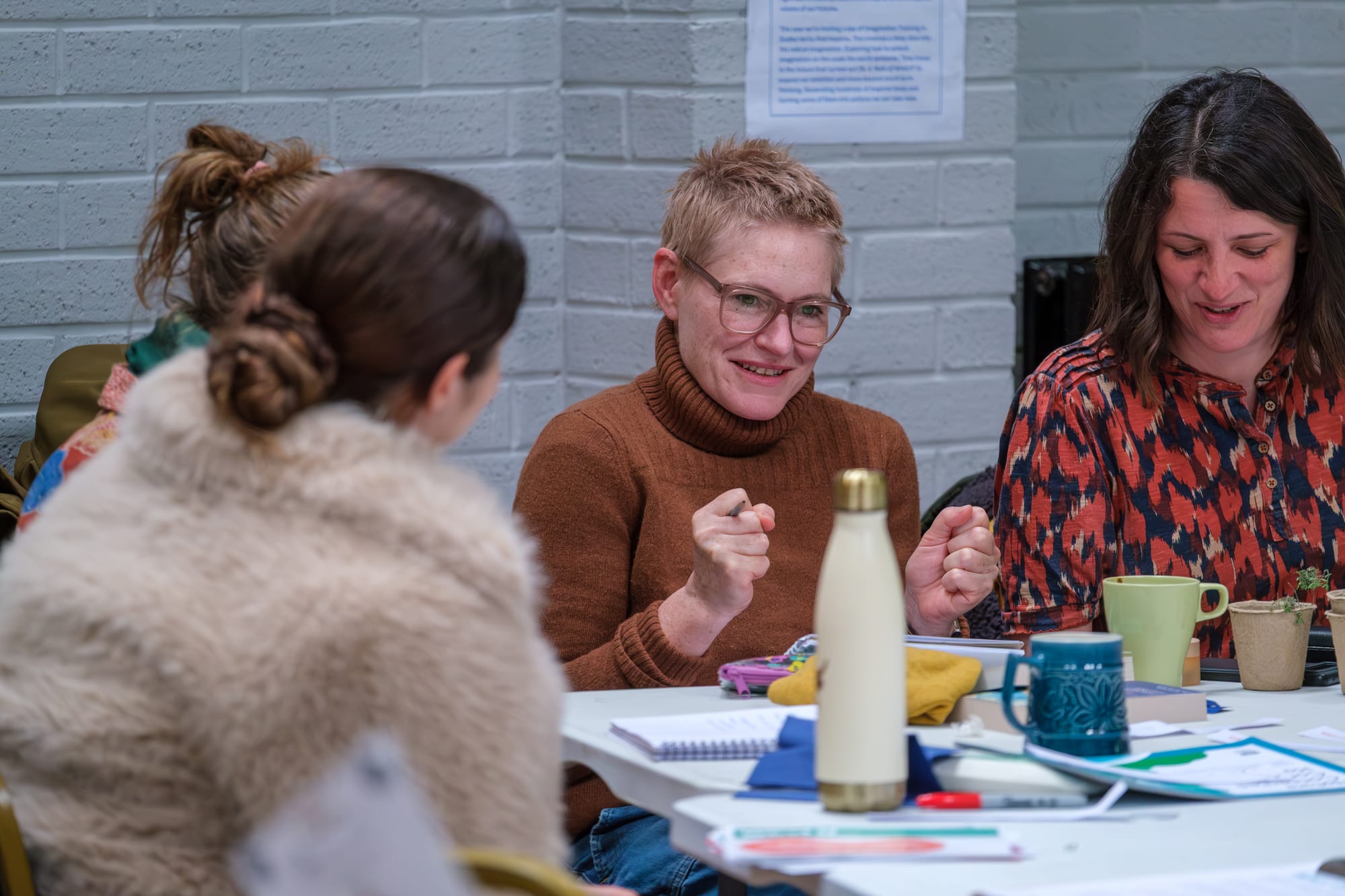
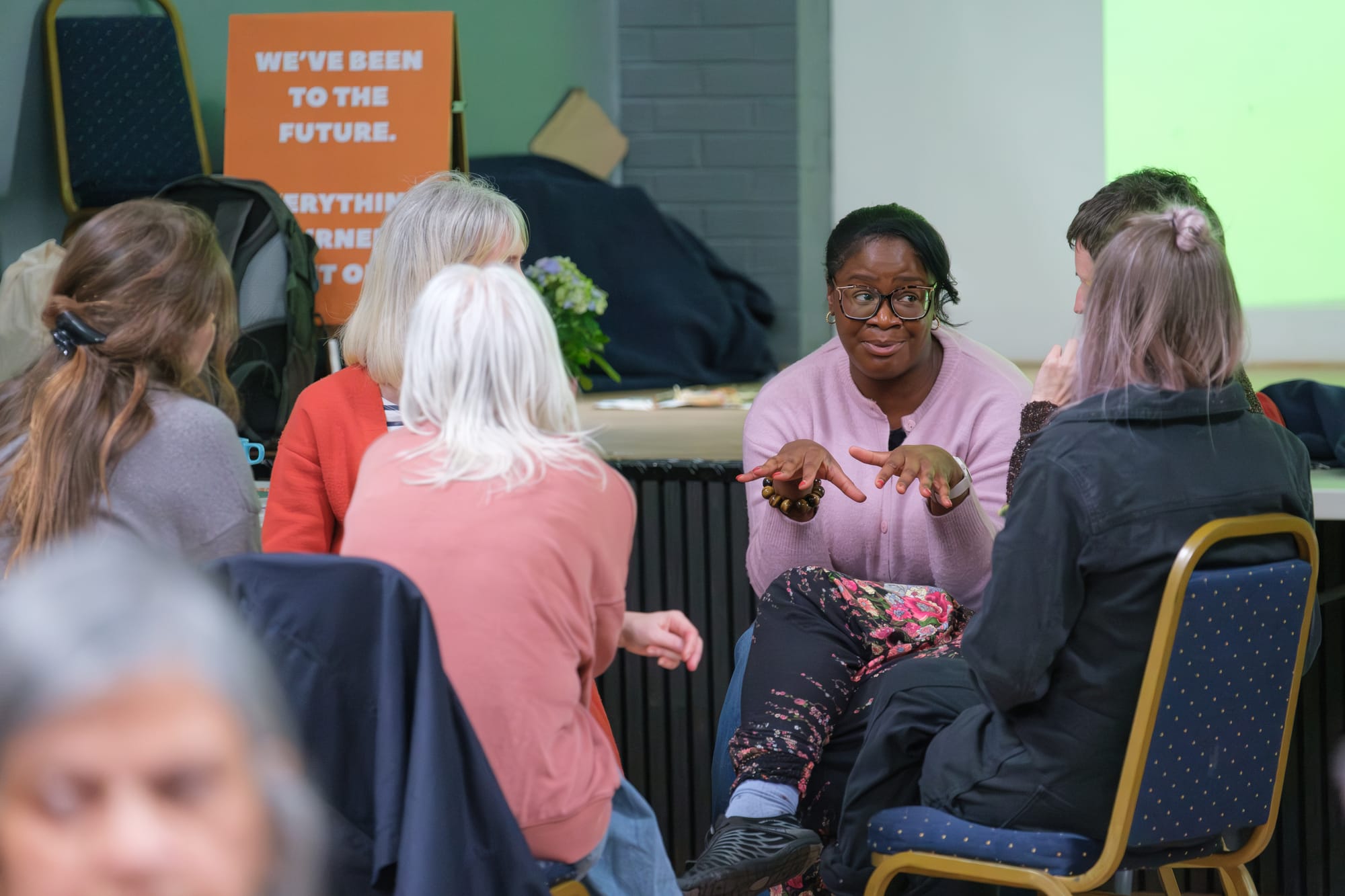
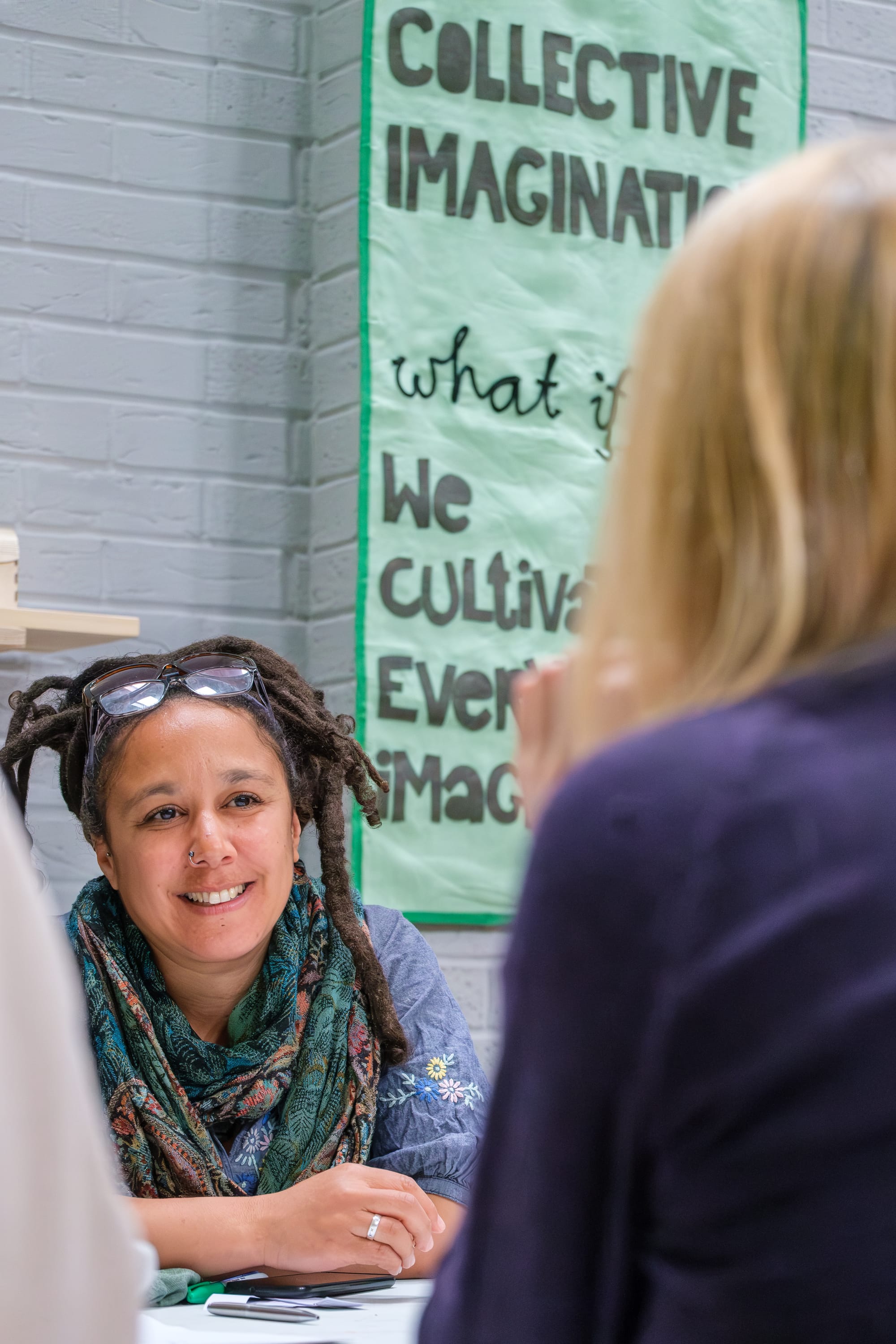
Imagination Training Day in Dudley, April 2026. Photo credits: @kategreenphotog and Holly Doron
This website page was developed through collaborative writing involving the CoLab Dudley team and AI-supported dialogue.
↗ Read more about our approach to AI and digital sobriety here.