collective imagination
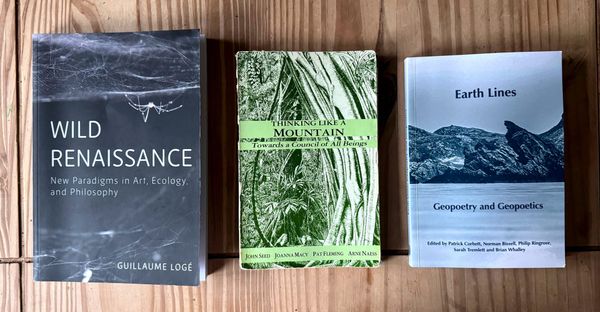
Why GeoPoetry? Why now?
When the data failed, the geologists turned to poetry. Poetry is all encompassing, and we need new compasses to navigate ways out of the human-centric World conspiring around us.
collective imagination
When the data failed, the geologists turned to poetry. Poetry is all encompassing, and we need new compasses to navigate ways out of the human-centric World conspiring around us.
Author: Claire Tedstone
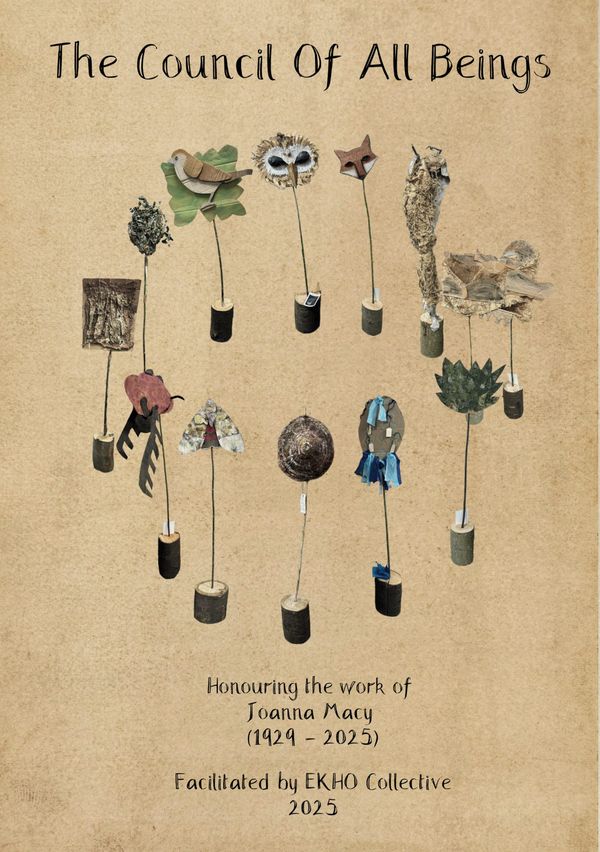
This zine was created to document the first Council of All Beings held in Dudley Borough, at Hawbush Community Gardens in summer 2025.
Author: Laura Onions
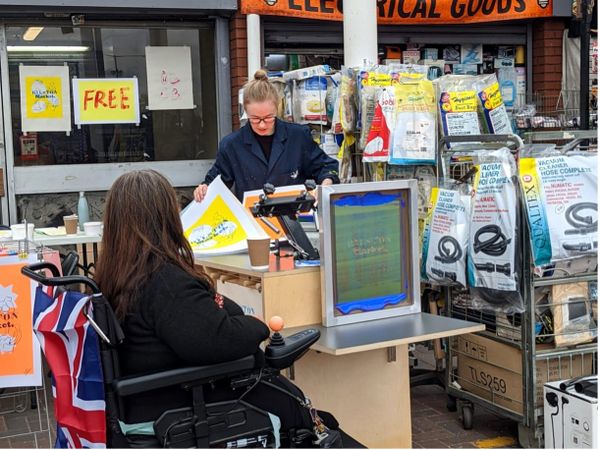
An introduction to a residency with a mobile printing press at CoLab Dudley, by artist Laura Onions.
Author: Jo Orchard-Webb
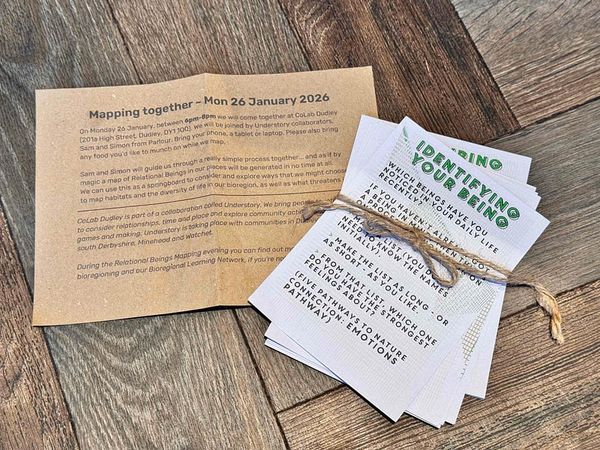
Photos and notes from a gathering of the Bioregional Learning Network as we experimented with Understory digital mapping alongside Relational Beings practice as a new layer of our counter-mapping practice.
Author: Jo Orchard-Webb
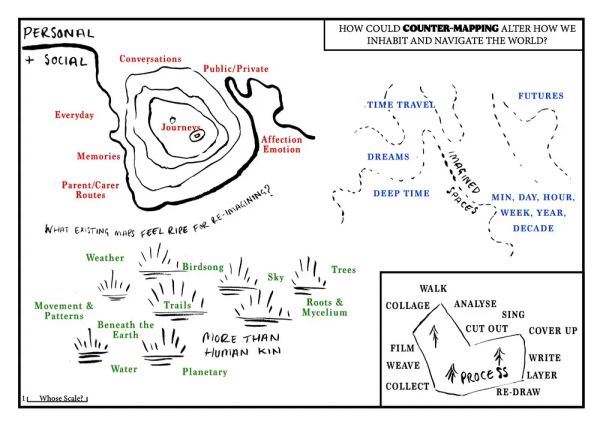
How might counter-mapping alter how we inhabit and navigate the world? Photos, resources and reflections from counter-mapping learning huddles and Unschool counter-mapping.

Author: Jo Orchard-Webb
Paying attention to processes and practices of unschooling. Partner noticings from two years of rehearsal as Dudley People’s School for Climate Justice.
Author: Lorna Prescott
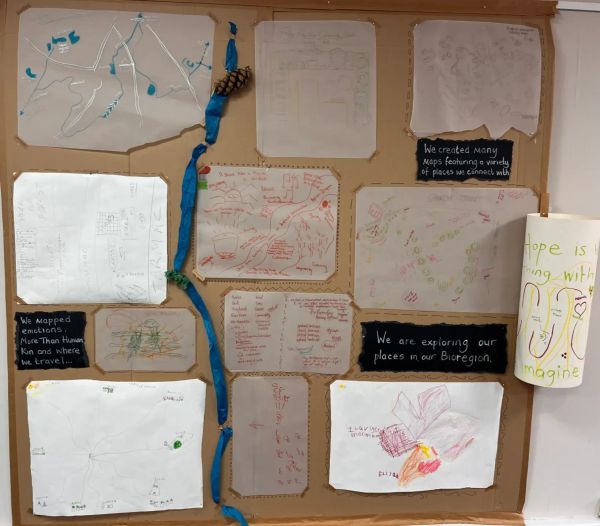
What if communities in Dudley borough lived in ways which were deeply attuned to ecological, cultural and historical realities of place?
Author: Lorna Prescott
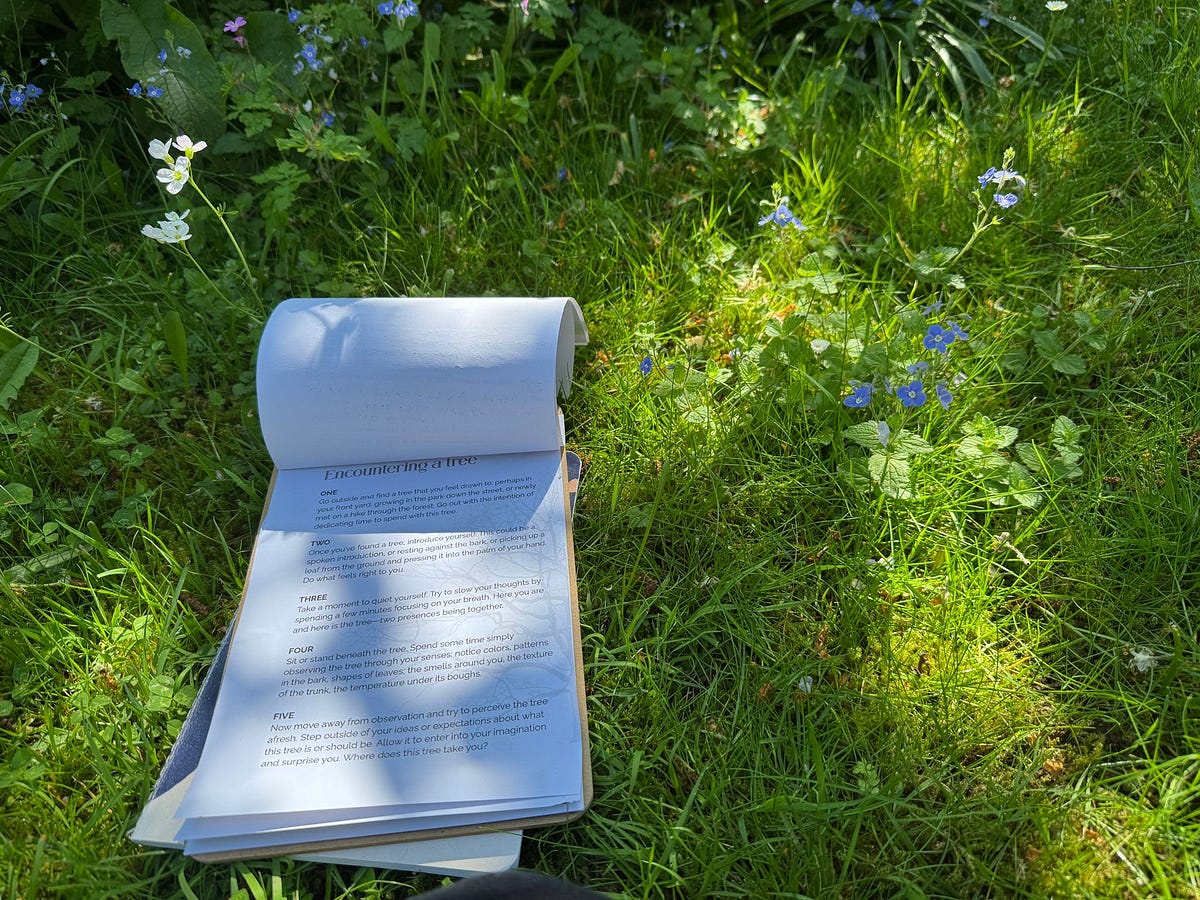
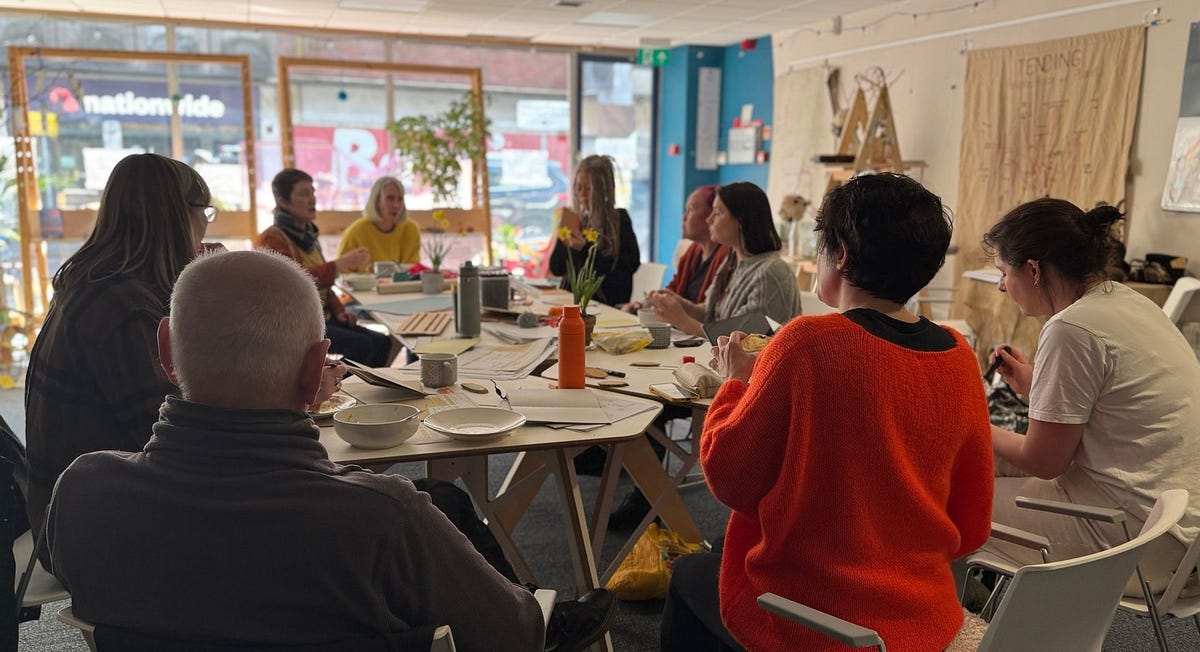
An account of CoLab Dudley’s first ever team retreat, which took place over two days in May, and notes from a subsequent network session.
Author: Lorna Prescott
Why and how we co-created a Kith & Kin Living Lab to explore Dudley People’s School for Climate Justice work.

Author: Jo Orchard-Webb
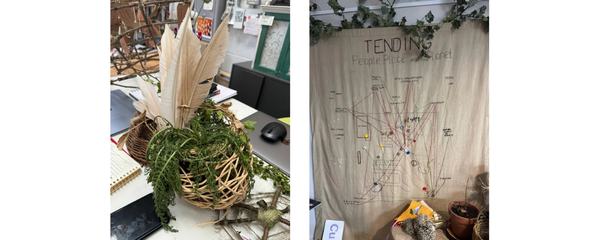
Part of a mini-series about our co-evolving collective learning practice, focusing on decolonising our learning practices and the role of semi-permeable boundary holding
Author: Jo Orchard-Webb
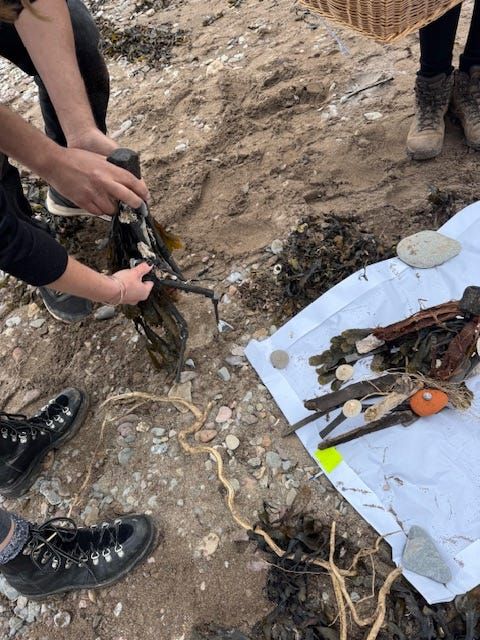
An exploration of four practical strategies we use in our collective learning practice to diversify data gathering to cultivate inhabitancy. Inhabitancy and kithship; Diversifying data gathering and multi-species learning; Accountability to future generations; and Language and collective learning.
Author: Jo Orchard-Webb
We urgently need new ways of learning together, and ways of diversifying the data we gather and how we relate to it. We should be commoning knowledge for intergenerational and interspecies justice, not extracting, hoarding, and enclosing it.