Drawing Through Emergency
A guest post by Megan about climate data, fear and joyful action.

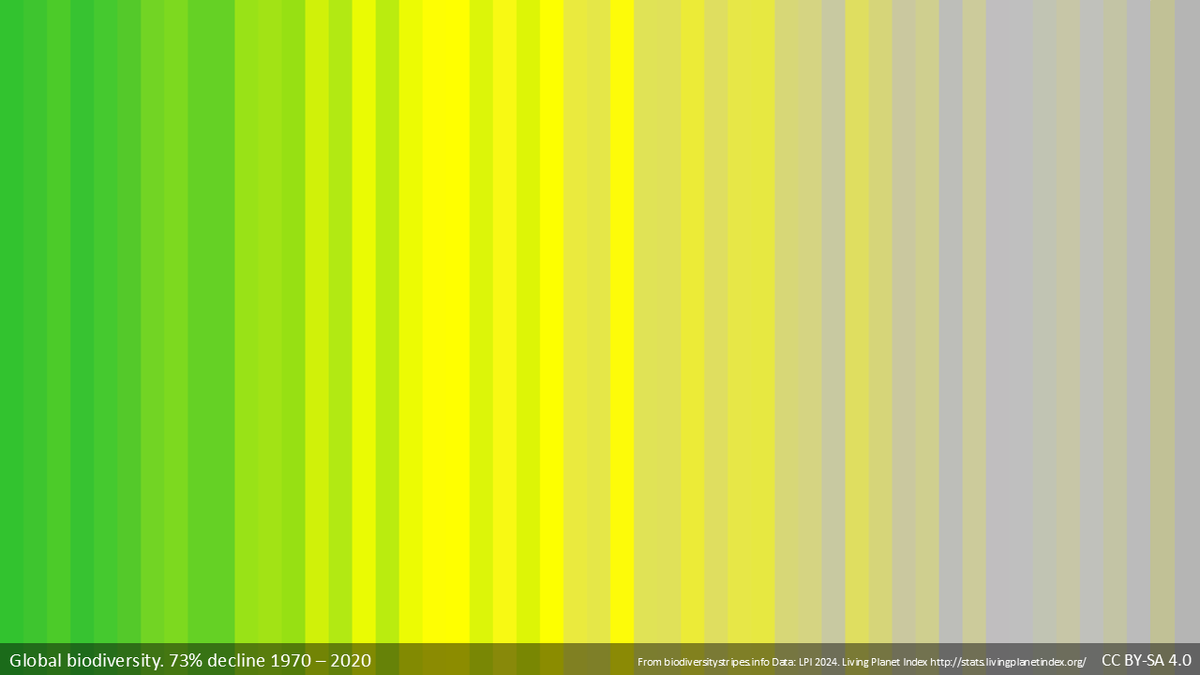
This is a guest post by Megan Wakefield, a member of our network who is hosting a series of public workshops, Drawing on Data, as part of our climate action work. This post is also shared on Megan's Substack, where you can see more of her writing. The feature image above is Miles Richardson's Biodiversity Stripes.
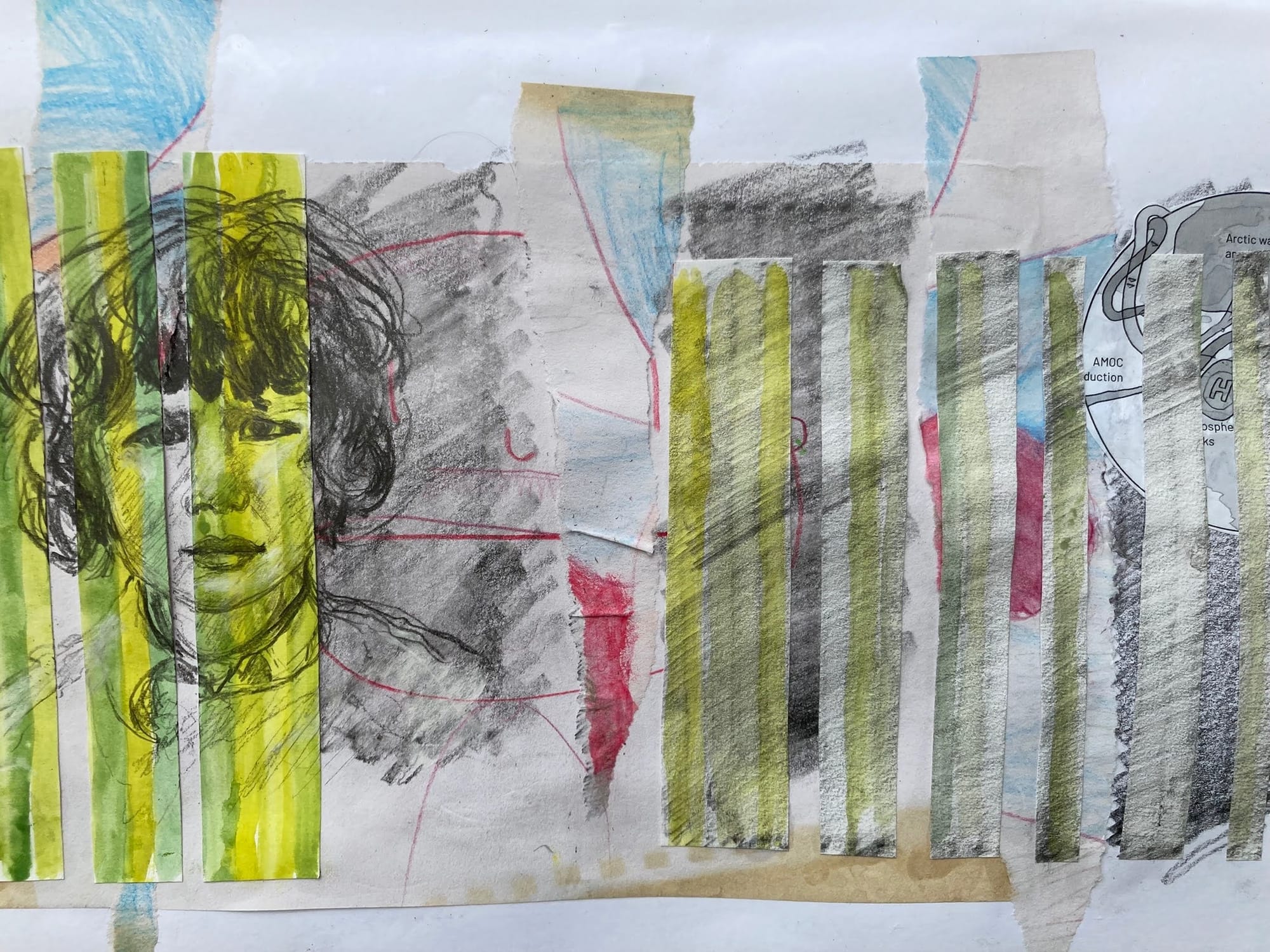
I am about to co-deliver a short workshop series called Drawing on Data. This will be a space to share and discuss climate maps, charts and diagrams and playfully transform them using drawing, paint and collage. As the ‘National Emergency Briefings’ are screened across the country I am focussing on the Keeling curve, Ed Atkin’s warming stripes, Miles Richardson’s biodiversity stripes. These all have the power to overwhelm, but I am curious to see how we process the fear, while staying informed and active.
Facts and data have limited efficacy. They can lead to estrangement from the immediate issues, and a distancing from the human and more-than-human victims of climate change. Moreover, data sets and maps exclude as much as they include. A chart on rising sea levels fails to show us the loss of beaches, havens for nesting sea turtles and treasured childhood playgrounds.
Some days it seems impossible, but I want to accept the gravity of the situation in which we find ourselves, while resisting the call to urgency. Not only does an unfocussed sense of urgency feed my OCD, but, as Tema Okun has it, urgency risks perpetuating the patriarchal, white supremacist culture that continues to extract information, resources and time: it “makes it difficult to take time to be inclusive, encourage democratic and/or thoughtful decision-making, to think long-term, to consider consequences, or learn from mistakes.” (Okun, 1999) There is either no strategy or simply a reactive strategy that leaves casualties in its wake.
How can we use caring conversations to counter the epistemological violence of the climate diagram? How can we use creativity to take a different take on climate data? Humanising it, localising it and sharing it, so that we do not have to face polycrisis alone?
When I was a child this passage from the Little Prince captured my attention:
"Good morning," said the little prince.
"Good morning," said the merchant.
This was a merchant who sold pills that had been invented to quench thirst. You need only swallow one pill a week, and you would feel no need of anything to drink.
"Why are you selling those?" asked the little prince.
"Because they save a tremendous amount of time," said the merchant.
"Computations have been made by experts. With these pills, you save fifty-three minutes in every week."
"And what do I do with those fifty-three minutes?"
"Anything you like..."
"As for me," said the little prince to himself, "if I had fifty-three minutes to spend as I liked, I should walk at my leisure toward a spring of fresh water."
I don’t think I fully understood what Saint-Exupery was getting at, but I could visualise the movement the Little Prince imagined, the deliberately slow steps, a Buto-esque progression towards that hand-drawn spring in the void of the white page.
The equivalent to walking towards a spring for me was watching dust motes in a shaft of sunlight as they puffed out of our ancient sofa cushions. I had time, time to lie on my back and stare upwards at the clouds as they morphed and bulged into heads and monsters, always in motion.
Now I read the Saint-Exupery passage differently. I sense the rebelliousness of those deliberate steps, the slow walk as a form of direct action that compels others to slow down too.
I am going to honour my animal need to drink, the Little Prince is saying, and I reject your efficiency pills.
Urgency is all around me. I receive its notifications throughout my day. Maybe if I used AI to write this post, then I could get 53 minutes back to wander and wonder. However Jevon’s Paradox dictates that the more time I save the more productive labour I will then attempt to cram into my day. Unless of course I decide not to.
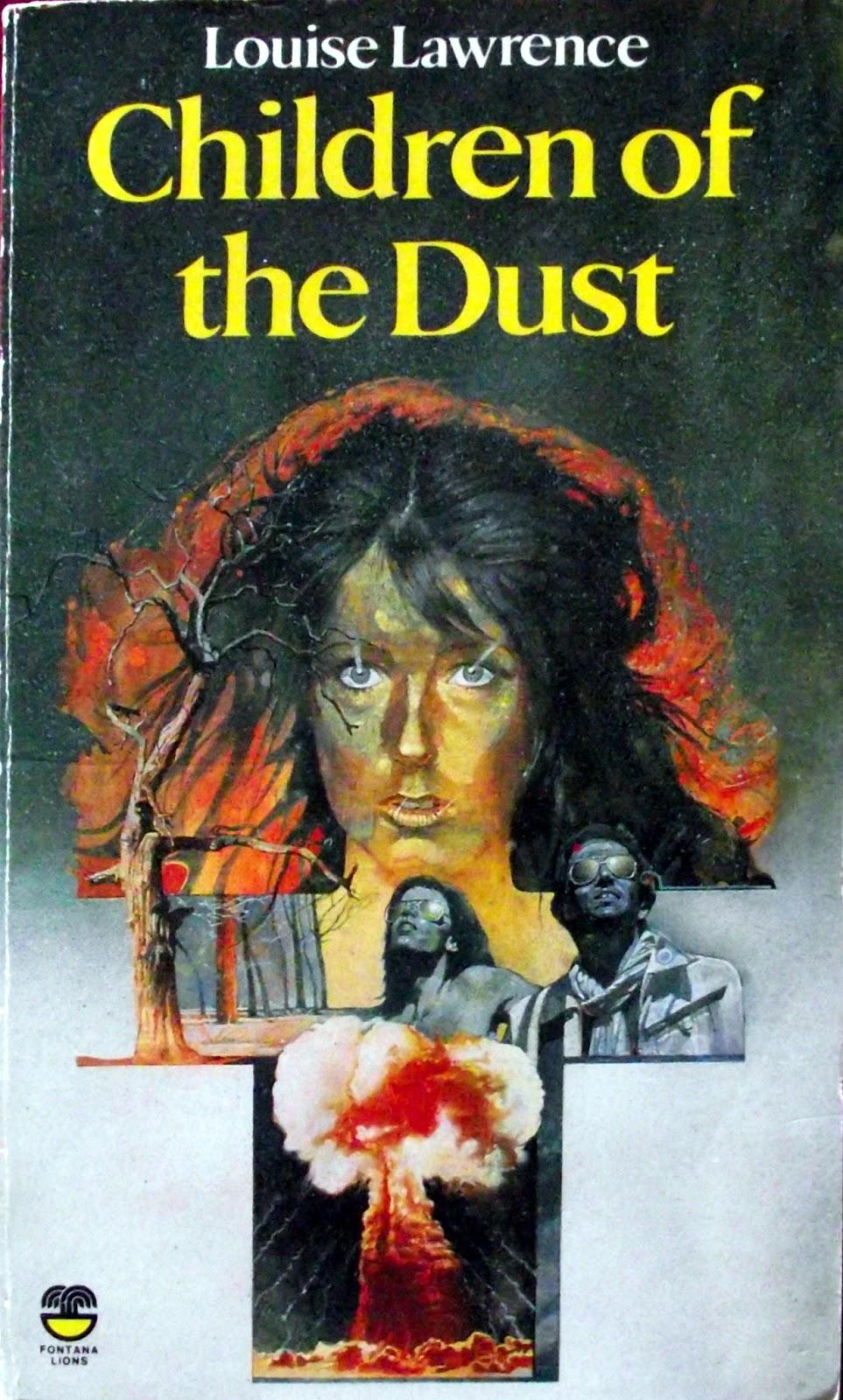
My pre-digital childhood now feels less like another country and more like a different dimension. Not that growing up in the 80s did not have its own sense of urgency. It was a time of competition and individualism. Suffering from OCD I had honed an alarming level of hypervigilance: I read Jonathan Schell’s The Fate of the Earth, Z For Zachariah and Children of the Dust at the height of my Cold War terror. We are taught that reading is a ticket to social mobility, but for me books, although talismanic, were also props and masks and they helped me detach from a frightening world.
Over the last ten years I’ve taken up drawing again, a process of somatic rediscovery that marries intellect, play and touch. I’ve started to honour my need for community and I’m building and discovering spaces to learn from others and take action: singing for solidarity, sharing in a reading group, exchanging ideas, inspiration and validation with other artists, empathising in a parent climate circle.
These are spaces where action beyond the individual self is made possible through relationships based on care, rather than competition. Spaces where we each bring different intelligences and different experiences. In these entanglements dependency is not a dirty word, but a healthy fact. They teach me how to be present, how to take up and cede space, how to be courageous and challenge power, how to listen, how to make mistakes and share vulnerabilities. These are all things that formal education has often failed to teach.
Over the summer, rolling heatwaves and wildfires across Europe, North Africa and Canada have been accompanied by a narrative of urgency without empowerment, of consequences divorced from causes.
I would rather sit in the discomfort of not knowing all the outcomes but still building joyful action.